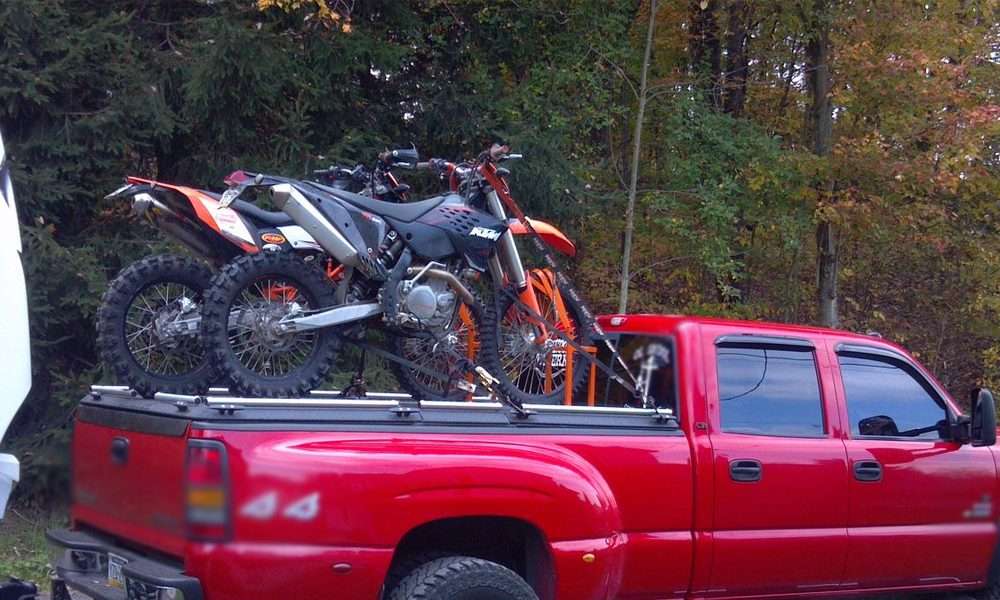
Bike transport looks simple from the outside, but the difference between a smooth shipment and a stressful one usually comes down to preparation. Customers who know what to expect from packing, loading, documentation and delivery make better transport decisions and face fewer surprises.
Understand the Packing Standard
The first thing to confirm is how the bike will be packed. A commuter bike and a premium motorcycle may not need identical handling, but both should be protected properly. Common protective methods include bubble wrap, foam padding, handle protection and crate-based support depending on route and budget.
A professional transporter should be able to explain the packing logic clearly rather than using generic words like “safe” without specifics.
Lower the Fuel Level and Secure Loose Parts
Bikes should not be handed over with a full fuel tank. Keeping fuel low is practical and safer for movement. Mirrors, mobile mounts, top boxes and decorative attachments should be removed or secured before dispatch. The cleaner the bike setup, the easier it is to handle professionally.
This is especially important for sports bikes and premium motorcycles with exposed or custom accessories.
Keep Documents and Ownership Details Ready
At minimum, keep a copy of the RC and identity proof ready before pickup. If the destination, route or customer profile requires more confirmation, it is better to resolve that early. Smooth documentation helps the transporter avoid last-minute hold-ups and gives the customer more confidence in the process.
A clean document handover also helps if there is follow-up support required during transit or on delivery.
Photograph the Bike Before Pickup
Take clear photographs of the front, rear, side profile, fuel tank, mirrors, seat and wheel area before dispatch. This creates a proper pre-move reference. It also helps the customer stay objective during delivery inspection instead of relying on memory.
The goal is not mistrust. The goal is clarity. Good transport processes become better when handover records are clean.
Inspect on Delivery, Not Hours Later
Once the bike reaches the destination, inspect it before final sign-off. Check body panels, paint, wheel alignment, mirror mounts and lever condition. If the bike was packed, inspect after unpacking rather than after taking it home. Clear inspection at the handover point is part of a professional delivery process.
This protects both the customer and the transporter by resolving issues, if any, in the right place and at the right time.
Key Takeaway
Bike Transport Guide: What You Need to Know Before Shipping becomes much easier to understand when the customer focuses on preparation, realistic process expectations and clear communication. Professional transport content should help customers make better decisions, and that is the role this article is designed to play.